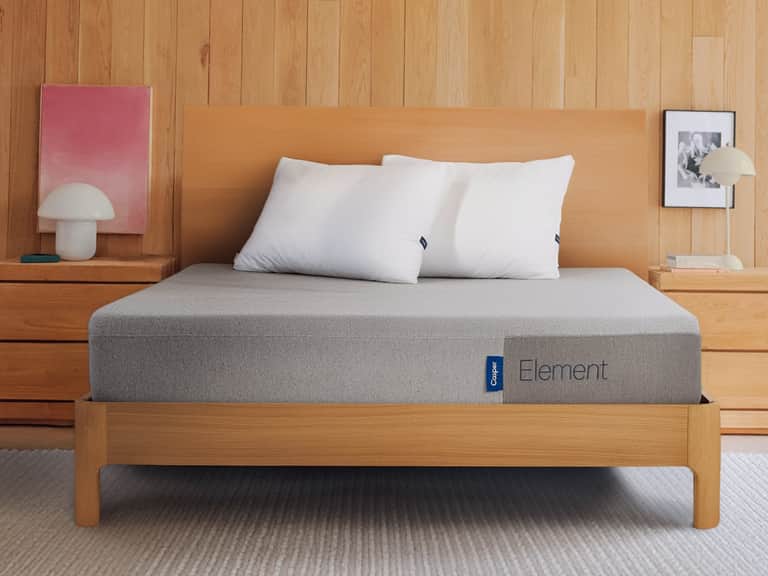
Foam mattresses provide a versatile sleep surface known for contouring support, pressure relief, and motion isolation. In a category focused on comfort and health, these mattresses often utilize high-density foam or specialized foams to balance contouring with edge support. Understanding material types—memory foam, polyfoam, and transitional layers—helps compare comfort profiles and durability expectations for different sleep needs.
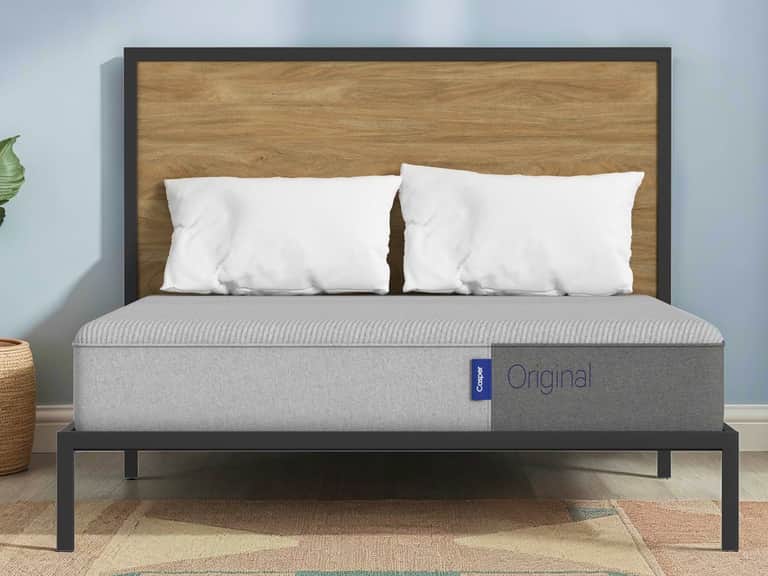
Original Mattress in this category emphasizes a balanced mix of support and conforming comfort, with layered foam systems designed to cradle the body while maintaining spinal alignment. Key features often include zoned support for different body regions, breathable foams to promote airflow, and durable covers that regulate temperature, contributing to restful, uninterrupted sleep.
The Element Mattress typically highlights responsiveness and cooling, combining plant-based or open-cell foams to reduce heat buildup. Benefits include easier repositioning, reduced pressure on shoulders and hips, and a stable foundation that supports various sleeping positions. This model may integrate ventilation channels to enhance airflow throughout the core layers.
When evaluating foam mattresses, consider durability ratings, density measurements, and the foam’s response time. A higher density generally correlates with longer-lasting support, while memory-based foams provide shape retention and pressure relief. Hypoallergenic cover fabrics and antimicrobial treatments can contribute to a healthier sleep environment in families and shared bedrooms.
For individuals seeking ergonomic alignment and motion isolation without extensive bounce, foam-based options can be suitable. Understanding how surface feel—whether plush, medium, or firm—aligns with personal preferences, room temperature, and sleep position clarifies which model best supports restful, restorative sleep in a contemporary bedroom setting.
 Mattresses